

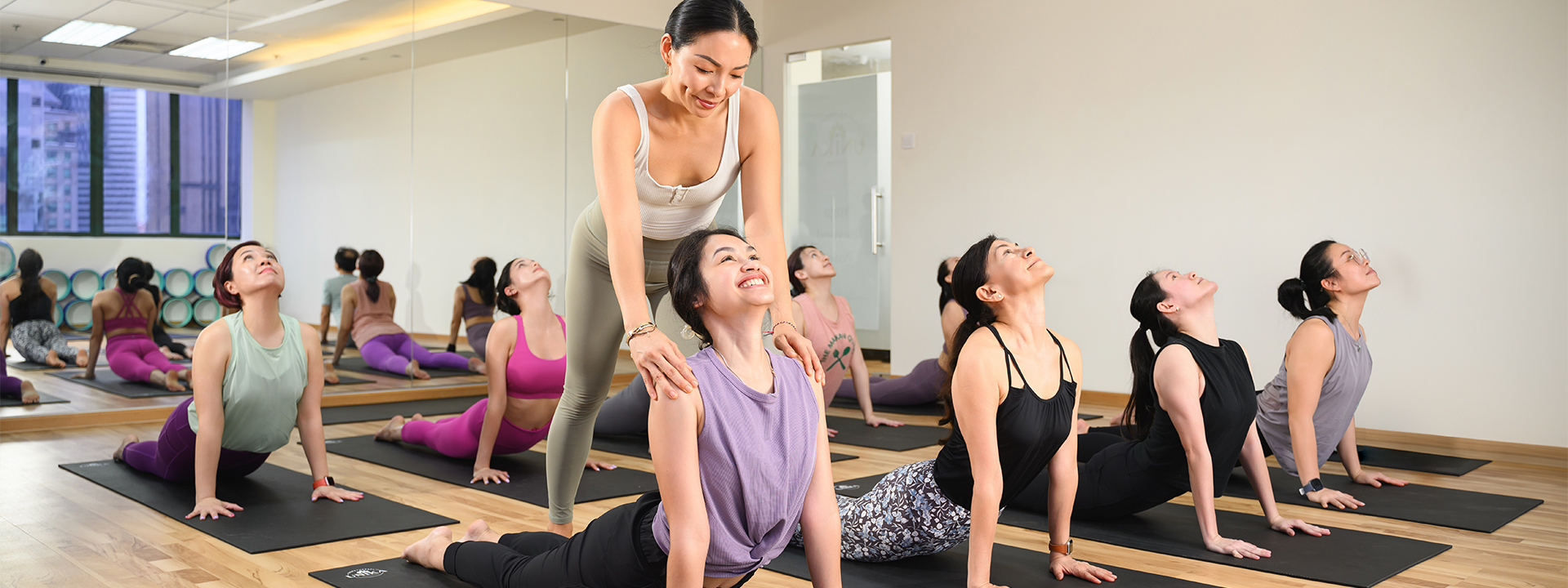
Teaching group yoga classes at a studio pays a per-class rate.
It is reliable income while the classes are full and the studio is operational. It is also income entirely controlled by someone else: the studio owner who sets the rate, the studio’s membership base that determines the class schedule, and the broader market forces that affect how many classes the studio can offer.
A private yoga instructor Singapore business is structurally different. The income ceiling is higher. The autonomy is genuine. The business risk is real and personally carried.
Building a sustainable private instruction business in Singapore requires understanding the specific revenue models that work in this market, the economics that underpin each of them, and the common financial mistakes that derail otherwise talented instructors before their business reaches sustainability.
The Core Revenue Models Available to Private Yoga Instructors
Singapore’s market supports several distinct revenue models for private yoga instruction, each with different economics, client acquisition requirements and income stability profiles.
The Premium Individual Client Model
This is the most straightforward model: a small roster of individual clients paying premium per-session rates for regular one-to-one instruction.
The economics work as follows. A private yoga instructor in Singapore’s premium market working with ten regular clients, each attending two sessions per week, is delivering 20 sessions weekly. At a premium per-session rate, the gross weekly revenue is substantial. Against this, the instructor carries travel time between sessions if delivering at client locations, preparation and documentation time adding approximately 30 percent to session time, and the full administrative burden of their business.
The client retention required to sustain this model is high. A roster of ten clients represents ten individual relationships that must each be maintained through consistent quality and genuine client development. Losing two clients from this roster represents a 20 percent revenue reduction that cannot be instantly replaced, because building a new client relationship from initial contact to regular sessions typically takes four to eight weeks.
The acquisition strategy for premium individual clients in Singapore is primarily referral-based. Premium clients do not browse class booking platforms looking for private yoga instructors in the way that group class seekers discover studios digitally. They act on recommendations from their own social and professional networks. Building a premium individual client roster therefore requires investing in the network relationships and client experience quality that generates these recommendations.
The Corporate Wellness Contract Model
Corporate wellness contracts are a meaningfully different business model from individual client instruction, with different economics, different sales processes and different service delivery requirements.
A corporate contract provides instruction to a group of employees, either as private sessions for individual senior employees or as small-group sessions for teams. The per-session rate is typically lower than premium individual instruction but the predictability and volume of the contract create revenue stability that individual client businesses rarely achieve.
The sales process for corporate contracts in Singapore involves engaging HR directors, wellness programme managers or executive assistants who manage senior leader schedules. This is a B2B sales process that requires professional presentation capability, a clear articulation of the programme’s business value, and patience with procurement timelines that are typically longer than individual client conversion.
The service delivery requirements of corporate contracts include flexibility around schedule changes, professional reporting on attendance and programme outcomes that corporate clients often require for internal wellness programme evaluation, and the ability to operate effectively in office environments rather than only in studio settings.
The Hybrid Referral Model
The most financially stable private yoga businesses in Singapore combine individual clients with healthcare provider referrals, typically through physiotherapists, specialists or general practitioners who refer patients requiring movement support for specific conditions.
The referral client stream differs from the direct client stream in several ways. Referral clients often have specific, defined goals and a clinical framework within which to measure progress. Their motivation is typically high because their engagement with a private yoga instructor has been recommended by a trusted healthcare provider. And their retention is often excellent because they are attending for functional health reasons rather than general wellness interest.
Building a referral-based client stream requires the clinical credibility and professional network described elsewhere in this article series. It is a longer-term investment than direct client acquisition but produces a more stable and more clinically engaged client population.
The Financial Planning That Private Instructors Consistently Underestimate
The income of a private yoga instructor is not equivalent to their gross session revenue. The gap between gross and net is larger than most new private instructors anticipate when they make the transition from studio employment.
CPF contributions apply to self-employed individuals in Singapore above defined income thresholds. Insurance requirements for a professional providing physical instruction to clients with medical conditions are non-trivial costs that must be factored into pricing before income targets are set.
Income stability planning is the most significant financial challenge of private instruction. A studio employed teacher has their income disrupted when a class is cancelled. A private instructor has their income disrupted by client illness, client travel, corporate holiday periods that suspend contracts, and their own illness which, for a sole operator, means zero income for the duration.
An income reserve equivalent to three months of operating costs is the minimum financial buffer that allows a private yoga instructor to operate without the financial anxiety that disrupts the client relationship quality on which the business depends.
Yoga Edition provides one-to-one instruction within a studio structure that supports its instructors with administrative infrastructure, client acquisition and professional development, addressing many of the business sustainability challenges that independent private instructors face when building from scratch.