

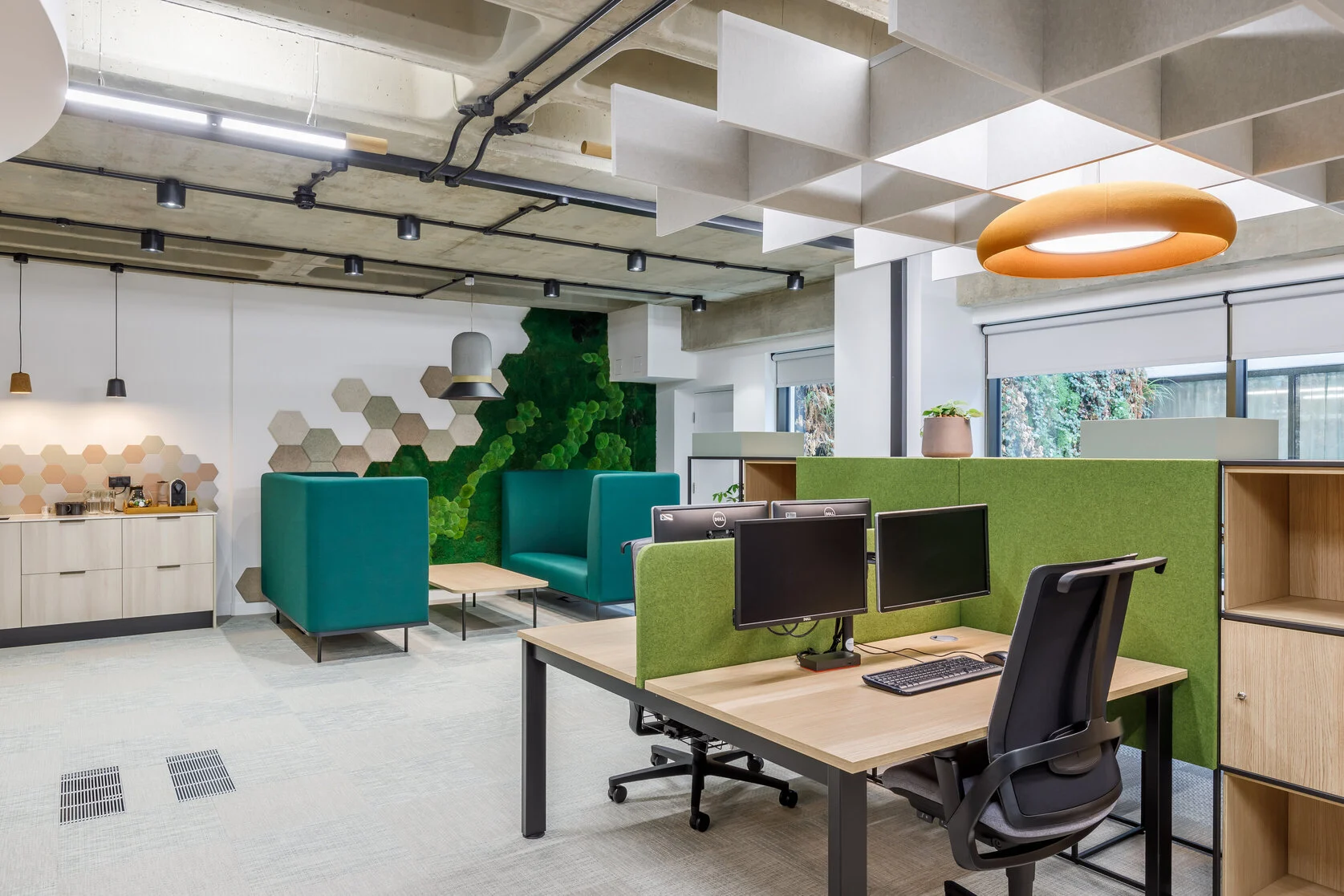
Achieving the perfect balance between style and sustainability in commercial fitouts is no longer just a goal, it’s becoming a necessity. Modern businesses in Australia are increasingly prioritising design choices that reflect their brand identity while also meeting environmental standards. With an emphasis on reducing ecological impacts, fit outs are taking a progressive turn, showcasing innovative, sustainable approaches.
If you’re exploring the latest trends in commercial spaces, you’ll find that sustainability intertwines seamlessly with functionality and aesthetics. Firms leading this charge, such as fit out companies Melbourne, are catering to the demand for high-quality materials and practices that minimise waste and conserve energy. The days of aesthetics dominating over responsibility are long gone, with businesses now adopting a holistic view towards stylish and environmentally conscious installations.
Why Style and Sustainability Matter
A commercial fitout isn’t just about creating a visually appealing space; it’s about fostering an environment that supports well-being, productivity, and sustainability. Australians value authenticity and practicality, and this extends to the spaces people work in every day. By choosing designs and materials that prioritise renewable resources, companies make a meaningful statement about their commitment to the planet.
From reclaimed timber and recycled metal to biodegradable surface finishes, sustainable materials fit effortlessly into modern commercial designs. Beyond being environmentally friendly, these options bring warmth, texture, and context to workspaces, blending style with real purpose. Responsibly sourced materials have become a core element for businesses that aim to elevate their workplace interior designs without compromising their values.
Emerging Trends in Australian Fitouts
- Natural Light and Energy Efficiency
The Australian climate is perfectly suited for enhancing workplace energy efficiency. Many contemporary designs feature expansive windows, skylights, and open layouts that welcome sunlight, reducing the reliance on artificial lighting. Solar panels are also more prevalent in commercial properties, combining function with a message of sustainability.
- Flexible Layouts with Modular Design
Flexibility is key in modern office spaces. Modular furniture and demountable partitions are gaining popularity for their adaptability, longevity, and eco-friendly composition. These allow businesses to reconfigure their spaces as needed, avoiding unnecessary renovations and reducing construction waste.
- Biophilic Design Elements
Biophilic design, a concept where nature is integrated into interior spaces—has significantly influenced commercial fitouts. Indoor plants, living walls, and natural textures not only enhance visual appeal but also improve air quality and employee well-being.
Practices That Support Eco-Friendly Fitouts
Sustainable Material Choices
Look for certifications such as FSC (Forest Stewardship Council) or GECA (Good Environmental Choice Australia) on products. These guarantee that materials are sustainably sourced, meeting environmental and ethical guidelines.
Waste Management and Recycling Initiatives
Fitouts typically generate waste, but forward-thinking strategies like recycling and upcycling construction material can help minimise the environmental footprint.
Green Technology Integration
Smart technology solutions, like energy-efficient lighting systems and automated heating and cooling, decrease long-term operational costs while boosting sustainability in commercial spaces.
Stylish and Green, Living Up to Australian Values
Australia’s collective move toward sustainability reflects a growing awareness of the environmental challenges faced globally. By incorporating eco-friendly materials and innovative design features into commercial spaces, fitouts go beyond mere aesthetics, they create environments that resonate with purpose and responsibility.
Whether you’re planning a retro-modern café or a sleek corporate office, focusing on combining style with sustainability is the way forward, offering both a functional and ethical foundation for your commercial ambitions.